
Flea Control
Give Your Pets (and Your Ankles) a Break From Fleas
Fleas can turn your home into an itchy, frustrating mess for you and your pets. We'll treat your home and yard to break the flea life cycle, with careful attention to the furry family members who live there.
How to Tell If Fleas Have Moved In
Fleas are tiny, fast, and great at hiding, so most people notice the itching before they ever see a flea. They often come in on pets, but they can also ride in on clothing, or come from wildlife and stray animals passing through your yard. Here's what to watch for:
Inside Your Home:
- Pets scratching, biting, or licking themselves more than usual
- Small, itchy red bites on your ankles and lower legs
- Tiny dark specks ("flea dirt") in pet bedding, carpets, or on your pet's skin
- Little jumping bugs on carpets, rugs, or furniture
Around Your Yard:
- Fleas jumping onto your socks or pant legs after walking through the grass
- Heavy activity in shady, damp spots where pets like to lie down
- Wildlife like raccoons, opossums, or stray cats spending time near your home
Flea Treatment That Keeps Your Pets in Mind
For every flea you see on your pet, there are usually many more in the form of eggs, larvae, and cocoons hiding in your carpet, furniture, and yard. That's why treating your pet alone or setting off a flea bomb rarely fixes the problem. To actually stop fleas, the whole environment needs attention.
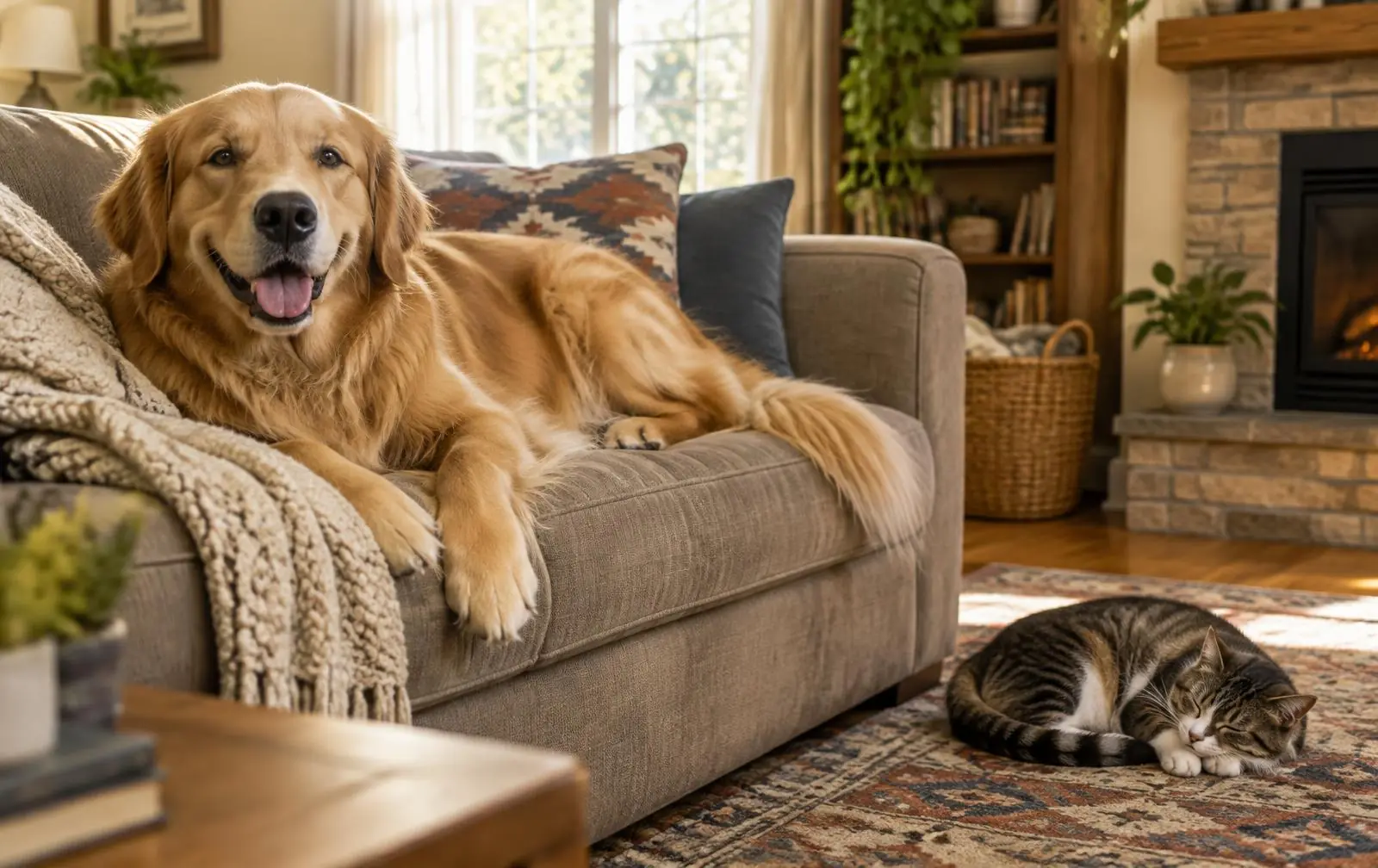
We know your pets are family, so we treat with them in mind every step of the way. We'll let you know how to prepare, how long pets should stay off treated areas, and anything else you need to know to keep them safe and comfortable.
- 1
Step 1
Inspect
We find where fleas are concentrated indoors and outdoors, like pet beds, carpets, and shaded areas of the yard.
- 2
Step 2
Treat
We treat your home and yard to target fleas at multiple life stages, not just the adults.
- 3
Step 3
Follow Up
Flea cocoons can hatch after the first treatment, so we'll make sure the next wave doesn't get a chance to take hold.
Stop Fleas From Making a Comeback
It's normal to see a few fleas for a week or 2 after treatment as remaining cocoons hatch and come into contact with treated areas. Vacuuming often during that time helps speed things along. After that, the key is keeping new fleas from getting established. Regular pest control helps protect your home and yard, and pairing it with a vet-recommended flea prevention for your pets gives you the best chance of keeping fleas gone for good.
Simple Prevention Tips
- Keep pets on a flea preventative recommended by your vet.
- Vacuum carpets, rugs, and furniture regularly, and empty the vacuum outside.
- Wash pet bedding in hot water every week or 2.
- Keep grass mowed short and limit spots where wildlife can hide near your home.
Let's Make Your Home Comfortable for Everyone Again
We'll inspect your home and yard, explain your options in plain language, and give you a fair quote with flexible payment options. Treatment can begin as soon as the next day.
Schedule an Inspection